The short answer
A heat pump fits most San Fernando homes well: it cools like central air through hot valley summers and heats through mild winters without gas. Before installation, the main steps are proper sizing, a check of your ducts and electrical panel, and confirming which rebates your utility offers at your address.
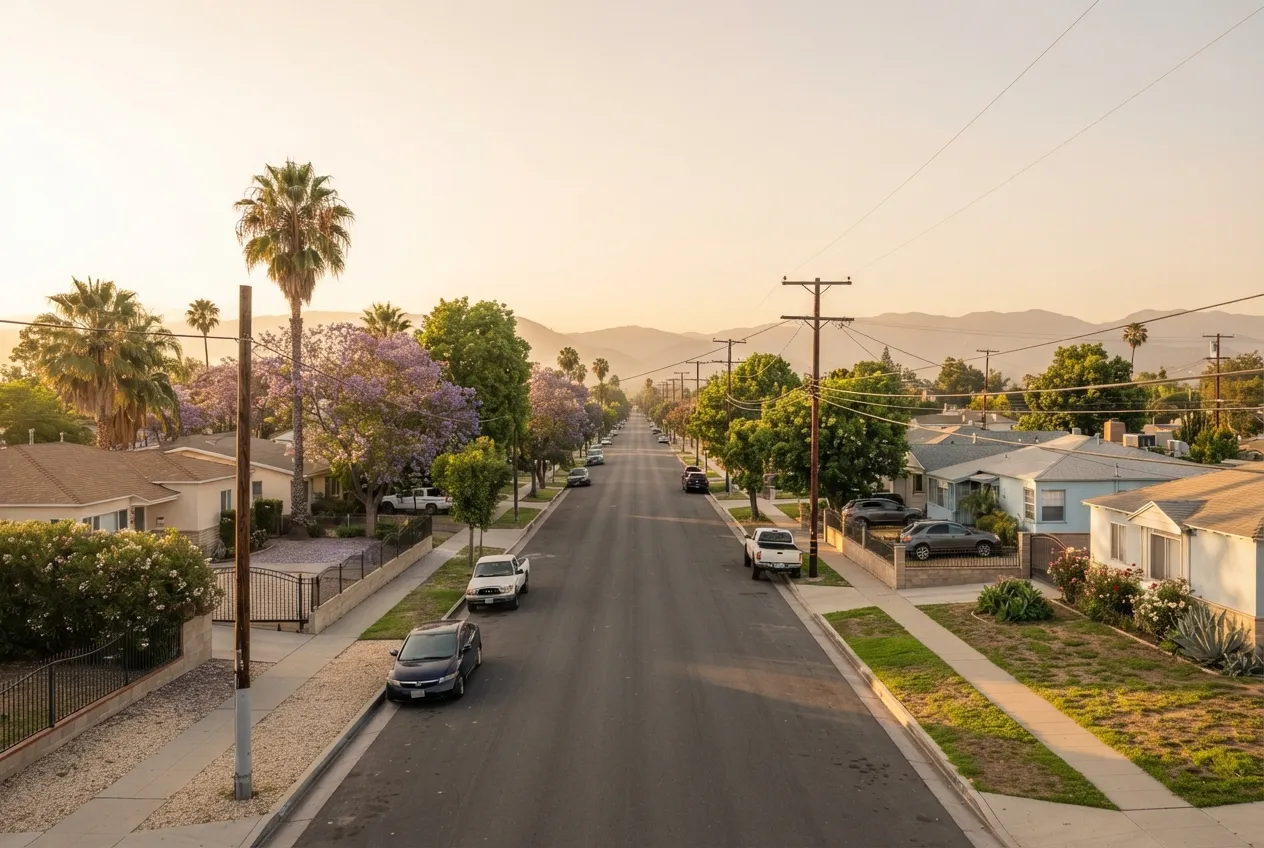
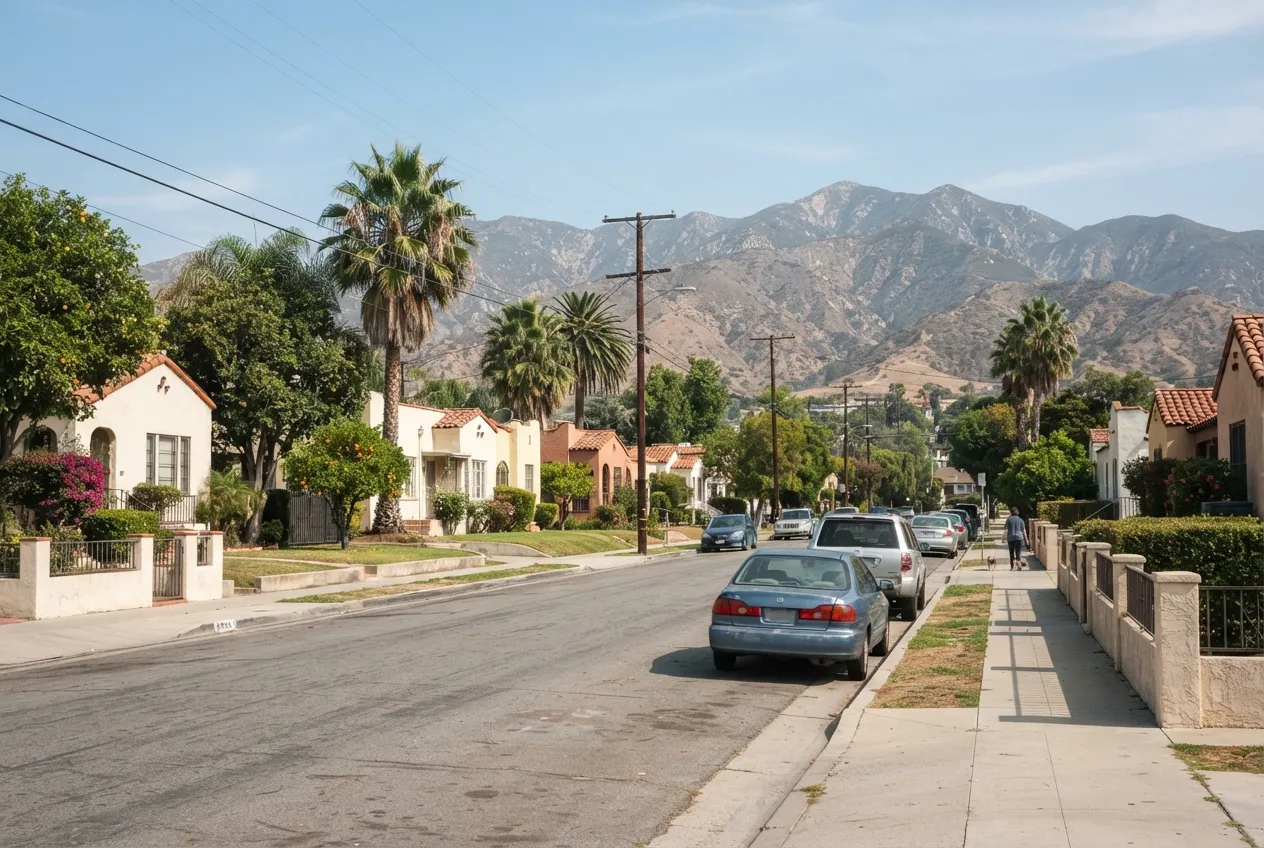
San Fernando sits in the northeast San Fernando Valley, about 9 miles from our shop in Reseda, and summers here run much hotter than they do near the coast. A heat pump handles both the hot afternoons and the mild winter nights with one system, and it heats with electricity instead of gas. AdvancedAir Contractors installs heat pumps in homes throughout the 91340 ZIP code. This page covers how we size and install a system for a San Fernando home, what to know about local rules and rebates, and what the work looks like from start to finish.
Why Heat Pumps Suit San Fernando's Climate
Inland valley neighborhoods like San Fernando can see long stretches of summer heat, and fall Santa Ana winds can bring hot, dry spells late in the season. Winters, by contrast, are mild. That pattern suits a heat pump well. It runs as a full central air conditioner in summer, then reverses to move heat into the house on cool nights.
Because winter heating needs are modest here, a properly sized heat pump can usually carry the whole year without a backup furnace. In San Fernando, cooling capacity is the bigger design question. We pay close attention to how your house handles afternoon sun and peak summer temperatures.
Sizing and Planning for Your Home
We don't size a heat pump from the old unit's label or from square footage alone. We look at how your house gains and loses heat, then match the equipment to it. An oversized system turns on and off too often and leaves rooms clammy. An undersized one runs nonstop on the hottest days.
You'll get a written recommendation that explains which equipment we suggest and why, so you can compare options on more than the size of the unit.
- A room-by-room load calculation that accounts for insulation, windows, attic conditions, and which walls face the afternoon sun
- An inspection of existing ductwork for leaks, crushed runs, and undersized returns that would limit airflow
- A check of your electrical panel and circuits, since a heat pump replacing a gas furnace may need added capacity
- Placement of the outdoor unit with room for airflow and service access, and with attention to noise near bedrooms or neighbors
- Ductless mini-split options for additions, converted garages, or homes without usable ducts
Replacing a Gas Furnace? Check the Current Air District Rule
San Fernando is in Los Angeles County, which falls under the South Coast Air Quality Management District. The district's Rule 1111 limits nitrogen oxide emissions from natural-gas fan-type central furnaces sold and installed in the region. The district has been amending the rule toward zero-emission requirements.
The air district sets and revises the compliance dates. If your furnace is near the end of its life, check the current rule before you decide what to replace it with. A heat pump is one way to move off gas heat entirely. During the estimate, we'll go over how the rule may affect your options.
Rebates and Tax Credits: What Applies at Your Address
Which equipment rebates you can get depends on the utility that serves your address. Many homes outside the City of Los Angeles are served by Southern California Edison rather than LADWP, so we confirm the current offer for your home before we quote it.
When a rebate depends on efficiency ratings, we'll list the ratings for each system we quote so you can see how your choice affects eligibility.
- LADWP residential electric customers can apply for Consumer Rebate Program rebates on qualifying heat pump systems. The amount depends on the unit's SEER2 and HSPF2 ratings. You file the application after the equipment is purchased and installed, within 12 months of purchase.
- The federal Energy Efficient Home Improvement Credit (25C) covered qualifying heat pumps placed in service before December 31, 2025. It is not available for new installations after that date.
What Installation Looks Like
Most installs follow the same sequence. We protect floors and work areas, disconnect and remove the old equipment, set the new indoor and outdoor units, and connect the refrigerant lines, condensate drain, and electrical. If duct repairs or sealing are part of the plan, we finish them before the system starts up.
Before we leave, we test the system in both cooling and heating modes, check airflow and refrigerant charge, and set up the thermostat. We'll show you how to switch modes and how often to change the filter. We'll also explain what normal operation sounds like, including the short defrost cycle some units run on cold mornings.
We also serve nearby communities, including Burbank, Santa Clarita, West Hollywood, Beverly Hills, and Hidden Hills.
More services in San Fernando
- AC Repair in San Fernando
- Heating Repair in San Fernando
- AC Installation in San Fernando
- Furnace Repair in San Fernando