The short answer
A heat pump is worth considering when your AC or furnace needs a major repair or replacement, or when you want one electric system for both heating and cooling. We size the system to your home, check your ducts and electrical service, and confirm which rebates your utility offers before we quote.
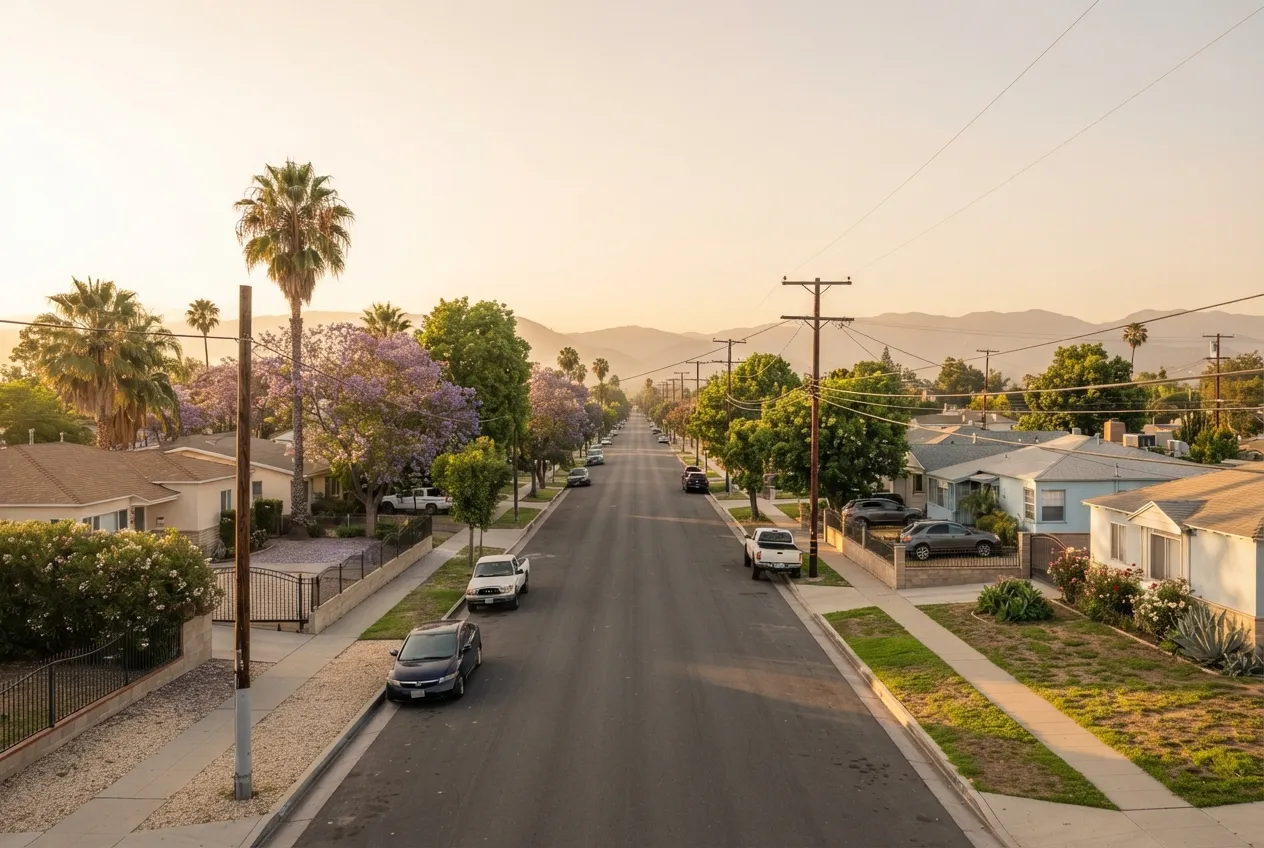
A heat pump heats and cools your home with one system. It moves heat into or out of the house instead of burning gas to make it. That suits Reseda and the rest of the San Fernando Valley well. Summers here run much hotter than near the coast, and fall Santa Ana winds can bring hot, dry spells. Winters are mild enough that a heat pump can handle most heating needs comfortably. This page explains when a heat pump installation makes sense, what we look at before recommending one, what drives the cost, and what to expect from a visit.
Signs It May Be Time for a Heat Pump
Most homeowners start thinking about a heat pump when their current equipment gives them a reason to. These are the most common signs:
None of these on its own means you have to replace anything. They are good reasons to get an honest assessment of what you have and what your options are.
- Your air conditioner or furnace needs a major repair and is near the end of its useful life.
- Rooms stay hot on Valley summer afternoons even when the AC runs constantly.
- Your AC and furnace are both aging, and you'd rather replace them with one system than two.
- Your gas furnace is due for replacement and you're weighing gas against electric heat.
- The system is noisy, turns on and off frequently, or pushes weak air from some vents.
- You're adding solar or remodeling and want heating and cooling that run on electricity.
What We Check Before Recommending a Heat Pump
A heat pump will not keep you comfortable if it is the wrong size or connected to leaky ducts, no matter how efficient its label says it is. Before we recommend any equipment, we look at the whole house:
We tell you what we find, including problems that a new system alone won't fix, such as undersized return ducts or a poorly insulated attic.
- Home size, layout, insulation, windows, and sun exposure. These determine how much heating and cooling you actually need.
- Condition, size, and sealing of existing ductwork, including attic runs that get very hot in summer.
- Electrical panel capacity, and whether you need a new circuit or panel work.
- Where the outdoor unit can go, including clearance, noise near bedrooms and neighbors, and drainage.
- Age and condition of your current furnace, air handler, and air conditioner.
- Airflow at each room and whether your thermostat is compatible with a heat pump.
Repair, Replace, or Switch to a Heat Pump
If your current system is in reasonable shape and a single part has failed, a repair is often the sensible choice. If that's the case, we'll tell you so. A heat pump installation makes more sense when major components are failing, when your AC and furnace are both wearing out at the same time, or when you'd rather move away from gas heating.
Homeowners usually choose one of three paths. A full heat pump system replaces both the AC and the furnace with an outdoor heat pump and an indoor air handler. A dual-fuel setup pairs a heat pump with a gas furnace that serves as backup heat. Ductless mini-splits work well for additions, converted garages, and rooms your existing ducts don't reach.
If you're replacing a gas furnace, check the local air district rules first. South Coast AQMD Rule 1111 limits NOx emissions from natural-gas central furnaces sold and installed in the Los Angeles region. The district has been amending the rule toward zero-emission requirements, and it sets and revises the compliance dates. We review the current rule with you before planning any furnace replacement.
What Affects the Cost of a Heat Pump Installation
We price each installation after we've seen the home, because the same equipment can involve very different amounts of work from one house to the next. The main factors are:
We walk you through which of these apply to your house, so you understand what's in the quote.
- System type: ducted, ductless, or dual-fuel
- Capacity and efficiency ratings (SEER2 and HSPF2)
- Whether existing ducts can be reused as they are, need repair, or need replacement
- Electrical work, such as a new circuit or a panel upgrade
- Access to the attic, the crawlspace, and the outdoor unit location
- Removal of old equipment and recovery of refrigerant
- Permits and inspections required for the job
- Thermostat and accessory choices, such as upgraded air filtration
Rebates and Incentives
Reseda and many surrounding Valley neighborhoods are in the City of Los Angeles and are served by LADWP. LADWP residential electric customers can apply for Consumer Rebate Program rebates on qualifying heat pump systems. The rebate amount depends on the unit's SEER2 and HSPF2 ratings. You file the application after the equipment is purchased and installed, within 12 months of purchase, so keep your invoice and equipment details.
Many homes outside the City of Los Angeles are served by Southern California Edison instead. The rebates available to you depend on which utility serves your address, and we confirm the current offer before we include it in a quote. Also note that the federal Energy Efficient Home Improvement Credit (25C) only covered qualifying heat pumps placed in service before December 31, 2025. It is not available for new installations.
How a Visit Works
Here's what to expect from start to finish:
If anything about the plan changes once we open up walls, ducts, or the panel, we explain the change before we go further.
- Assessment: A technician inspects your equipment, ducts, electrical service, and outdoor space. We also ask how different rooms feel in each season.
- Recommendation: We explain your options, including repair if that's reasonable, and give you a written quote.
- Planning: We schedule the work and handle the required permits.
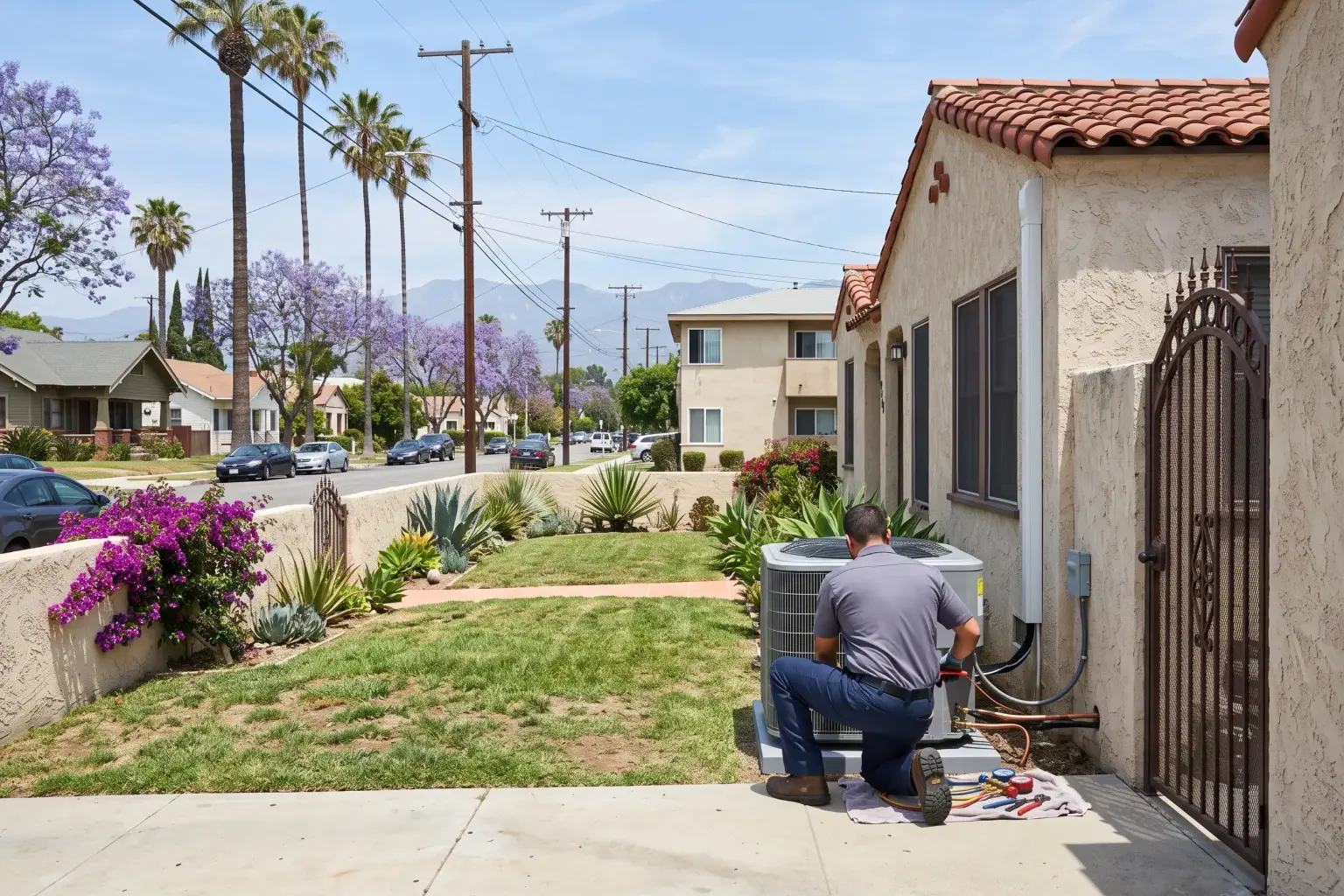
- Installation: The crew removes the old equipment, sets the new system, and makes the refrigerant and electrical connections. They protect your floors and furnishings while they work.
- Startup and walkthrough: We test heating and cooling and check airflow. Then we set up the thermostat and show you how to change filters and handle basic upkeep.
Heat Pump Installation by city
- Heat Pump Installation in Hidden Hills
- Heat Pump Installation in San Fernando
- Heat Pump Installation in Calabasas
- Heat Pump Installation in Simi Valley
- Heat Pump Installation in Agoura Hills
- Heat Pump Installation in Beverly Hills
- Heat Pump Installation in Burbank
- Heat Pump Installation in West Hollywood
- Heat Pump Installation in Santa Clarita
- Heat Pump Installation in Santa Monica
- Heat Pump Installation in Los Angeles
- Heat Pump Installation in Westlake Village