The short answer
It's time to consider a new AC when repairs keep piling up, rooms won't cool on hot Valley afternoons, or your bills climb every summer. A proper installation starts with a load calculation and a check of your ducts and electrical service. From there, your options range from replacing a matched condenser and coil to switching to a heat pump or ductless system.
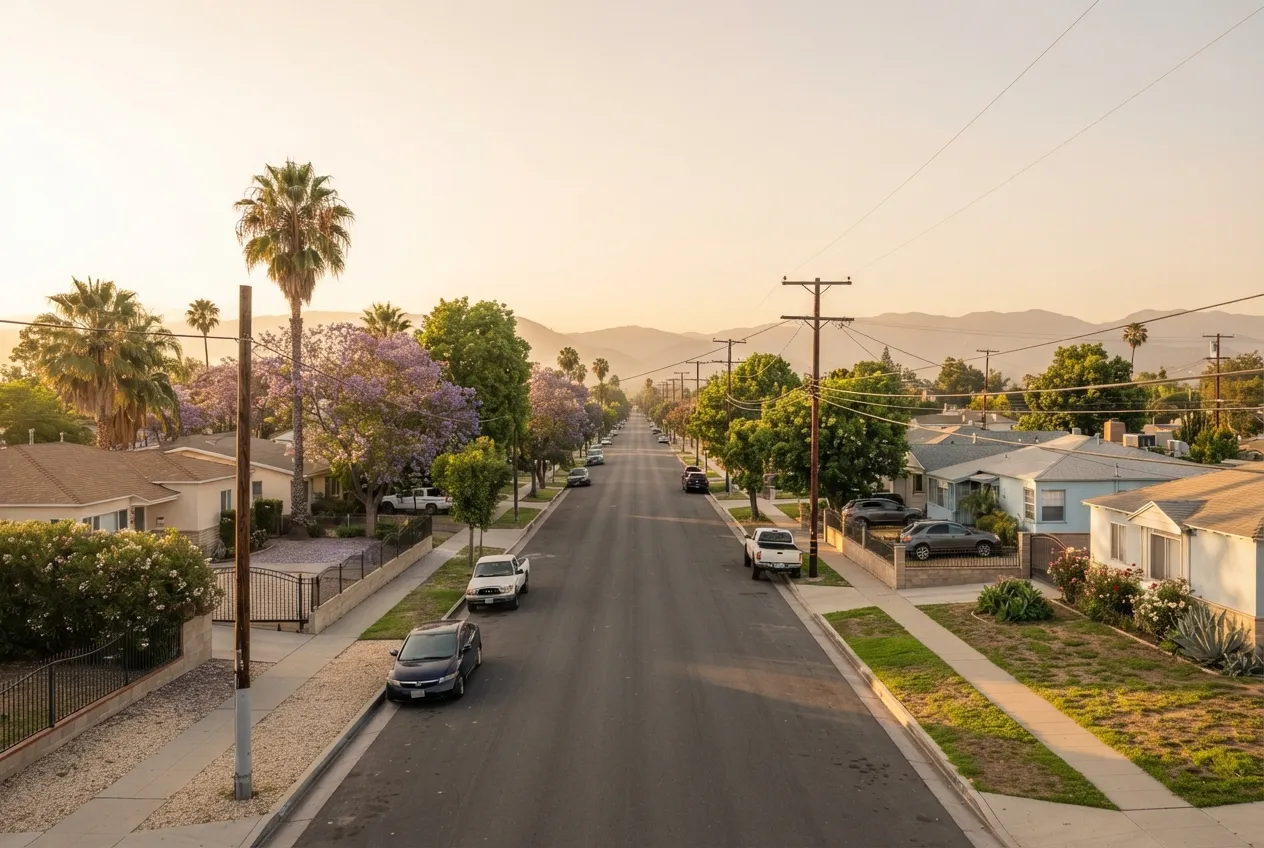
Installing a new air conditioner is a big decision for any homeowner, and in the San Fernando Valley it carries more weight than it does near the coast. Reseda and nearby neighborhoods like Tarzana, Northridge, Encino, Van Nuys, Winnetka, and Canoga Park get much hotter in summer than coastal parts of Los Angeles. Fall Santa Ana winds can also bring hot, dry stretches late in the season. A system that is sized and installed correctly keeps rooms even, runs efficiently, and holds up through long cooling seasons. This page covers when a new system makes sense, what we check before recommending equipment, your options, what drives the cost, and how a visit works.
Signs You May Need a New Air Conditioner
Not every problem calls for a new system, and many issues can be fixed with a repair. Some patterns, though, suggest your equipment is near the end of its useful life or was never a good fit for the house.
Installation is also the natural next step if you're adding cooling to a home that never had central air, or if you've finished an addition or converted a garage into living space.
- The system runs constantly on hot afternoons, but the house never reaches the thermostat setting.
- Some rooms stay noticeably warmer than others, even with vents open and a clean filter.
- Repairs are coming more often, or the same part keeps failing.
- The unit uses an older refrigerant that has been phased out, which makes recharging after a leak costly.
- Electric bills rise each summer even though you use the house the same way.
- The outdoor unit is loud or turns on and off in short cycles, or the indoor coil keeps freezing.
- The air indoors feels dustier or stuffier than it used to.
What We Check Before Recommending a System
A good installation starts with the house, not the equipment catalog. Before we suggest a size or type of system, we look at how your home gains and holds heat. We also check whether your ductwork and electrical service can support new equipment.
Oversizing is a common mistake. A unit that is too large cools the air quickly, shuts off, and cycles often. That wears out parts faster and can leave the house feeling clammy. An undersized unit has the opposite problem and runs nonstop on the hottest days.
- Cooling load: square footage, insulation, window size and direction, ceiling height, and attic conditions. This lets us size the system to the home instead of copying the old unit's tonnage.
- Ductwork: leaks, crushed or disconnected runs, undersized returns, and duct insulation in hot attics.
- Electrical: panel capacity, breaker size, and the disconnect at the outdoor unit.
- Equipment location: clearance around the condenser, access to the furnace or air handler, and where the condensate drain will run.
- Thermostat and controls: whether your current thermostat is compatible, and whether zoning would help a two-story or spread-out home.
- Airflow at each register, to find rooms that aren't getting enough air.
Repair vs. Replace: Your Options
If your current system can be repaired reliably, we'll tell you. When replacement makes more sense, most homeowners choose one of the paths below.
Heat pumps are worth a serious look in Los Angeles, because mild winters suit them well. If your gas furnace is also due for replacement, keep South Coast AQMD Rule 1111 in mind. It limits NOx emissions from natural-gas central furnaces sold and installed in the region, and the district has been amending it toward zero-emission requirements. The district sets and revises the compliance dates, so check the current rule before choosing a new gas furnace.
Rebates depend on which utility serves your address. Reseda and neighboring communities within the City of Los Angeles are served by LADWP. LADWP residential customers can apply for Consumer Rebate Program rebates on qualifying heat pump systems. The amount depends on the unit's SEER2 and HSPF2 ratings, and you apply after the equipment is purchased and installed, within 12 months of purchase. Many homes outside city limits are served by Southern California Edison, which has different offers. We confirm the current program for your address before including it in a quote. Also note that the federal 25C tax credit only covered heat pumps placed in service before December 31, 2025, so it does not apply to new installations.
- Repair and keep the existing system, if it's sized correctly and the problem is isolated.
- Replace the outdoor condenser and indoor coil as a matched set and keep a furnace that still has life in it.
- Replace the full system: air conditioner plus furnace or air handler.
- Switch to a heat pump, which heats and cools with one outdoor unit.
- Add a ductless mini-split for an addition, a converted garage, or rooms the ducts don't reach well.
What Affects the Cost of AC Installation
Every installation is quoted for the specific home because the factors below vary a lot from house to house. We give you a written quote with your options side by side so you can compare them.
- System type: central AC, heat pump, or ductless.
- Capacity and efficiency rating, including SEER2, plus HSPF2 for heat pumps.
- Compressor type: single-stage, two-stage, or variable-speed.
- Condition of the existing ductwork, and whether it needs repair, sealing, or replacement.
- Electrical upgrades, such as a larger breaker or panel work.
- Access challenges, such as tight attics, crawlspaces, rooftop units, or long refrigerant line runs.
- Required permits and inspections.
- Add-ons such as zoning, a new thermostat, or better filtration.
- Available utility rebates, which can offset part of the cost after installation.
How an Installation Visit Works
Here's what to expect from the first visit to the final walkthrough. Summer schedules fill up during heat waves, so planning a replacement in spring or fall usually gives you more flexibility on dates.
- Assessment: a technician inspects your current system, ductwork, electrical service, and the home itself, and asks how the rooms feel at different times of day.
- Options and quote: we explain the choices that fit your home and the trade-offs of each, and we answer your questions. You don't need to decide on the spot.
- Scheduling and permits: we set the installation date and handle any required permits.
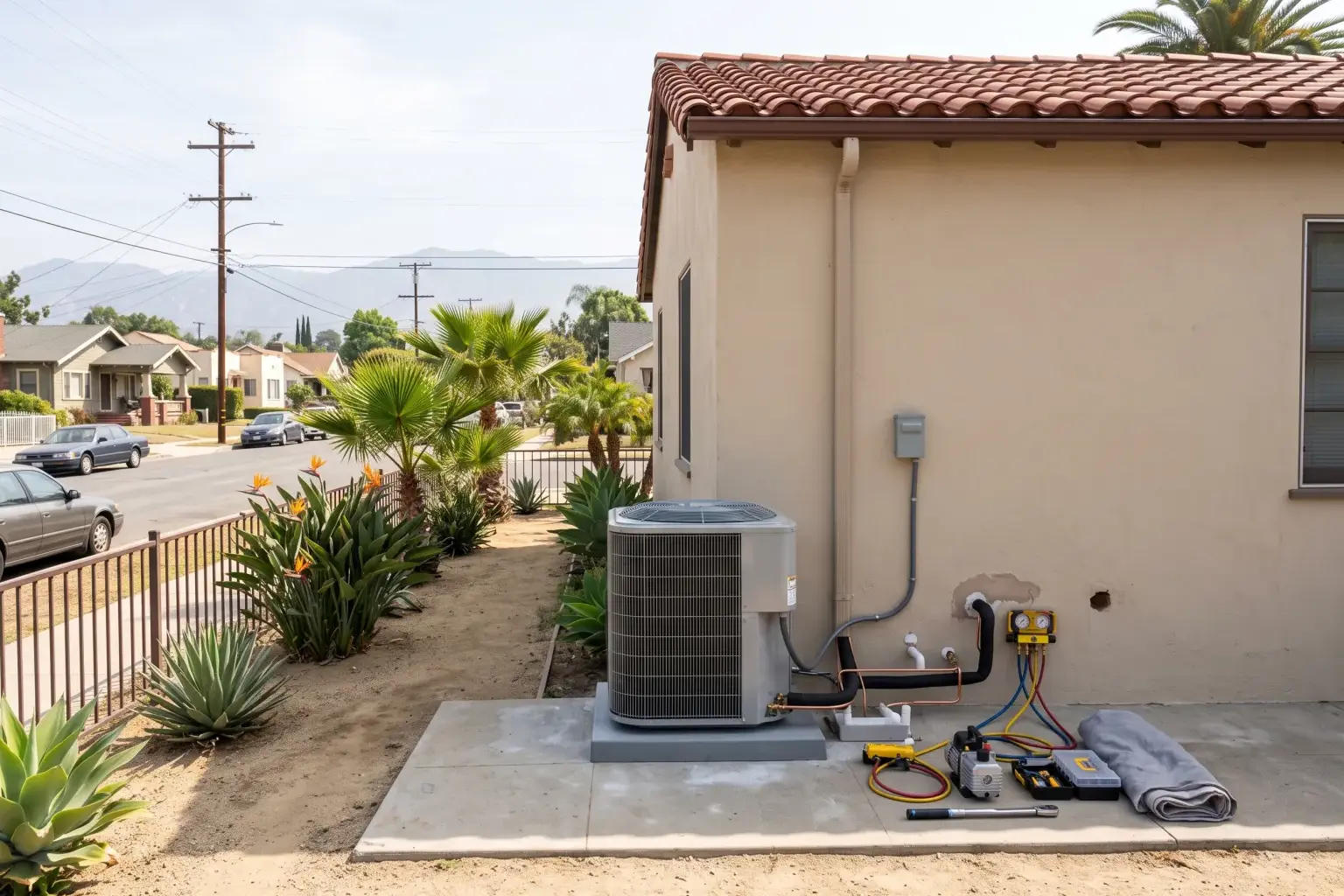
- Installation: we remove the old equipment, set and connect the new equipment, install or flush the refrigerant lines, and charge the system to the manufacturer's specifications.
- Testing: before we leave, we check airflow, temperature split, refrigerant charge, and controls.
- Walkthrough: we show you how to use the thermostat, how to change filters, and what maintenance keeps the system running well.
AC Installation by city
- AC Installation in Hidden Hills
- AC Installation in San Fernando
- AC Installation in Calabasas
- AC Installation in Simi Valley
- AC Installation in Agoura Hills
- AC Installation in Beverly Hills
- AC Installation in Burbank
- AC Installation in West Hollywood
- AC Installation in Santa Clarita
- AC Installation in Santa Monica
- AC Installation in Los Angeles
- AC Installation in Westlake Village