The short answer
AC installation in Burbank starts with a load calculation so the system is sized for hot inland summers, followed by an equipment choice that fits your home, ductwork, and electrical setup. If you're also replacing a gas furnace, local air-quality rules may affect your options, and rebate eligibility depends on which utility serves your address.
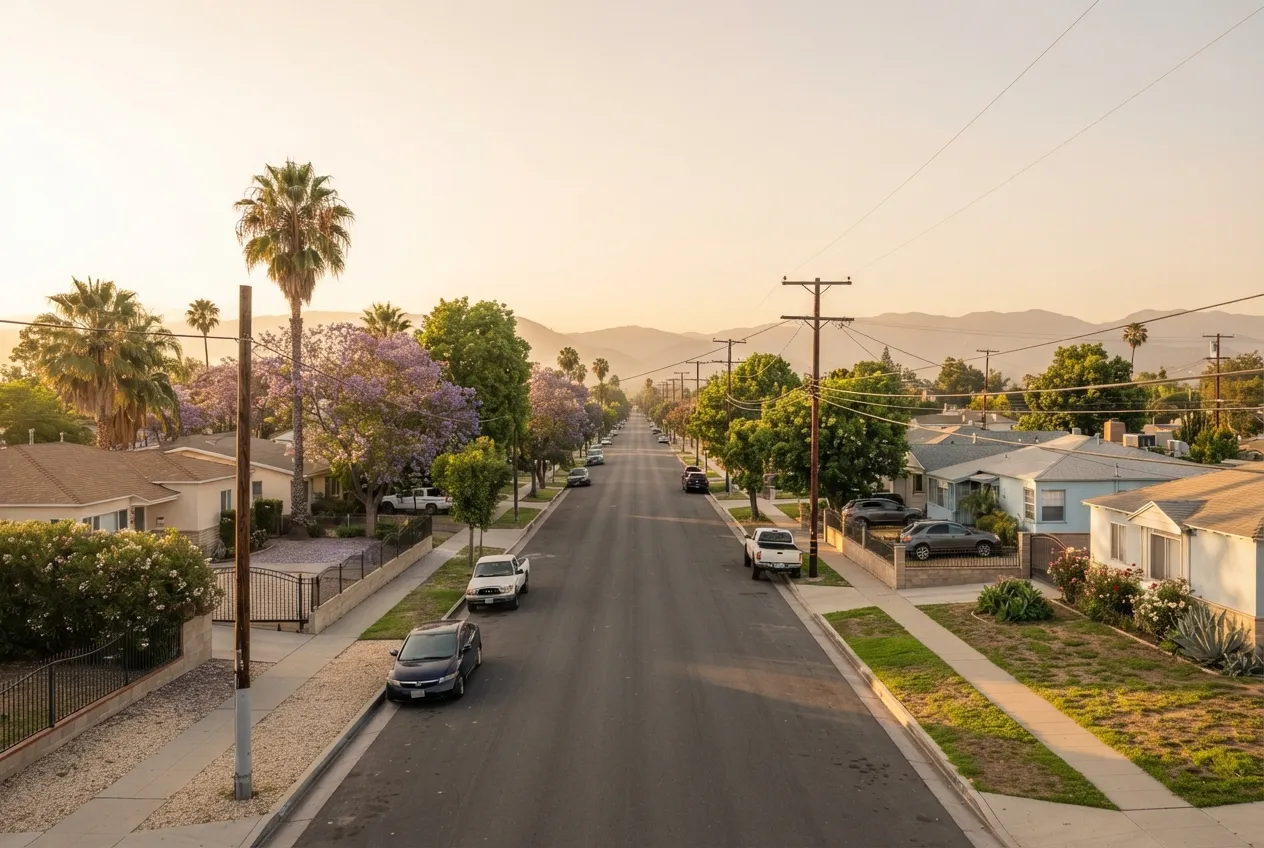
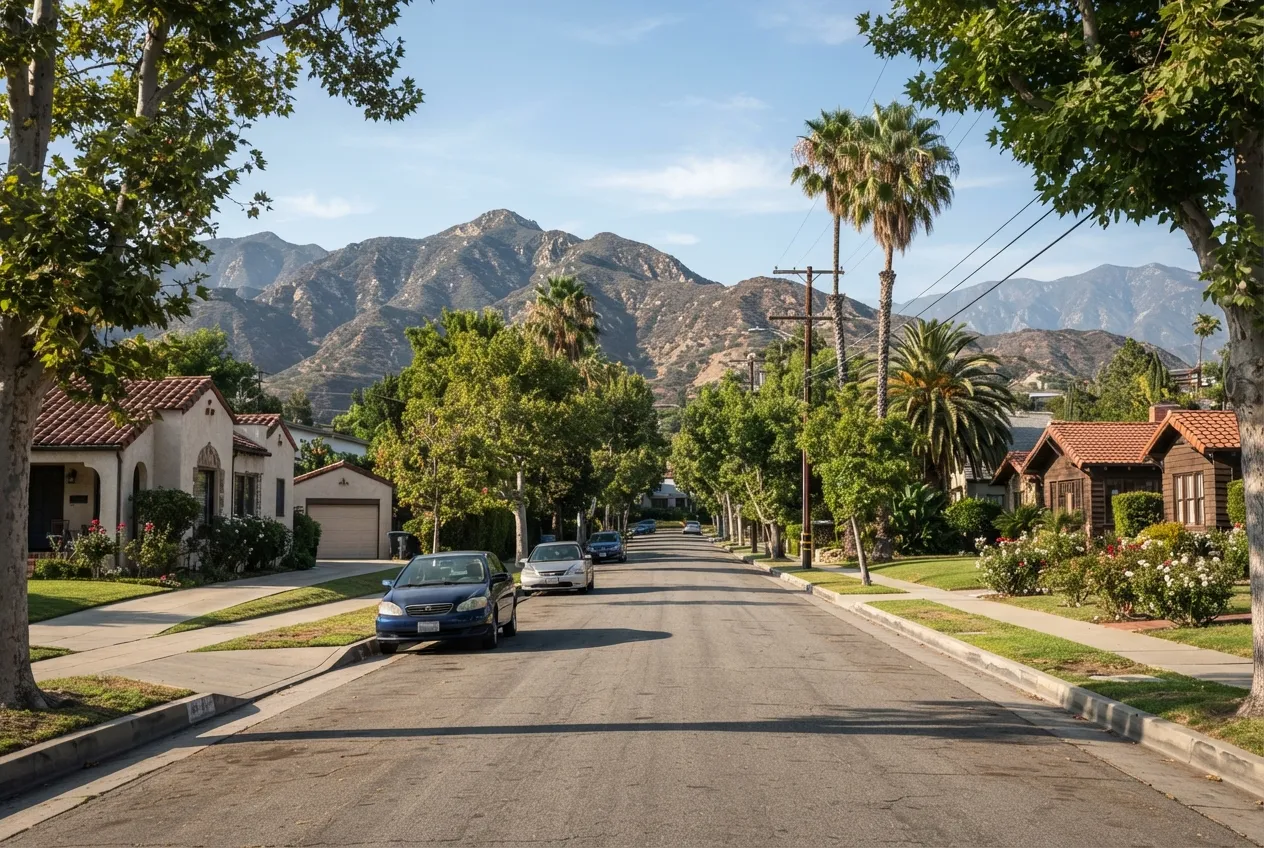
Burbank sits in the valley, and like other inland Los Angeles communities it gets much hotter in summer than neighborhoods near the coast. When an air conditioner can't keep up through a long hot stretch, or an old system finally quits, the replacement has to be planned around how your house actually gains heat. AdvancedAir Contractors installs central air conditioners, heat pumps, and ductless systems for homes across Burbank, including ZIP codes 91501, 91502, 91504, 91505, and 91506. We're based in Reseda, about 13 miles west, so Burbank is part of our regular service area. This page covers what matters for a new AC system in a Burbank home: sizing, equipment choices, what to do if your furnace is part of the project, and which rebates may apply.
Sizing a system for Burbank summers
Burbank summers are dry and hot, and fall Santa Ana winds can bring hot, dry spells after most people expect the heat to be over. A system that seemed fine in a mild year can fall behind during those stretches. The fix isn't simply buying the biggest unit that fits. An oversized air conditioner cycles on and off quickly, which wears parts, leaves temperatures uneven from room to room, and can make the house feel clammy.
We size equipment with a room-by-room load calculation. It accounts for the things that drive heat gain in your house, not the house down the street.
- Square footage, ceiling height, and room layout
- Window size, glass type, and which way the windows face
- Attic insulation and whether ducts run through a hot attic
- How many people live in the home and which rooms get the most use
- Shade from trees or neighboring buildings
Choosing the right type of system
Most Burbank homes with existing ductwork are good candidates for a central split system, either a conventional air conditioner paired with a furnace or a heat pump that handles both cooling and heating. With mild winters, a heat pump is often a practical way to replace two pieces of equipment with one.
Ductless mini-splits make sense for homes without ducts, for converted garages and additions, or for rooms that never cool well on the central system. If your ducts are old, leaky, or undersized, we'll tell you before the new equipment goes in. Even a well-sized system can't perform properly when air leaks into the attic.
We also check your electrical panel and the outdoor unit location. Some upgrades, especially going from window units to central air, may require electrical work. We plan for that up front so it isn't a surprise on installation day.
If your furnace is part of the project
Many AC replacements turn into full system replacements because the furnace is just as old. In the Los Angeles region, South Coast AQMD Rule 1111 limits NOx emissions from natural-gas fan-type central furnaces sold and installed here. The district has been amending the rule toward zero-emission requirements, and it sets and revises the compliance dates. If you're considering a new gas furnace, we'll check the current rule with you before you choose equipment. For many homeowners, this is one reason to look seriously at a heat pump.
Rebates and tax credits
Rebates for heat pumps and high-efficiency equipment depend on the utility that serves your address. Utility territories in the Los Angeles area don't always follow city lines, so we confirm which programs apply to your home and check the current offer before we quote it.
For federal tax credits, the Energy Efficient Home Improvement Credit (25C) covered qualifying heat pumps placed in service before December 31, 2025. It isn't available for new installations after that date, so it shouldn't factor into a Burbank installation planned now.
How an installation works
We aim to keep the process predictable and the house livable while the work is underway.
- Home visit to look at your current equipment, ducts, attic, and electrical panel
- Load calculation and a written recommendation with equipment options
- Removal and proper disposal of the old equipment
- Installation of the new indoor and outdoor units, refrigerant lines, drain, and thermostat
- Startup and testing of airflow, refrigerant charge, and temperature split
- A walkthrough of thermostat settings and filter changes before we leave
More services in Burbank
- AC Repair in Burbank
- Heating Repair in Burbank
- Heat Pump Installation in Burbank
- Furnace Repair in Burbank