The short answer
HVAC maintenance is a scheduled inspection, cleaning, and adjustment of your heating and cooling equipment, ideally done before summer for cooling and before winter for heating. In the hot inland Valley, it helps your system handle peak heat, keeps airflow and efficiency where they should be, and finds worn parts before they fail.
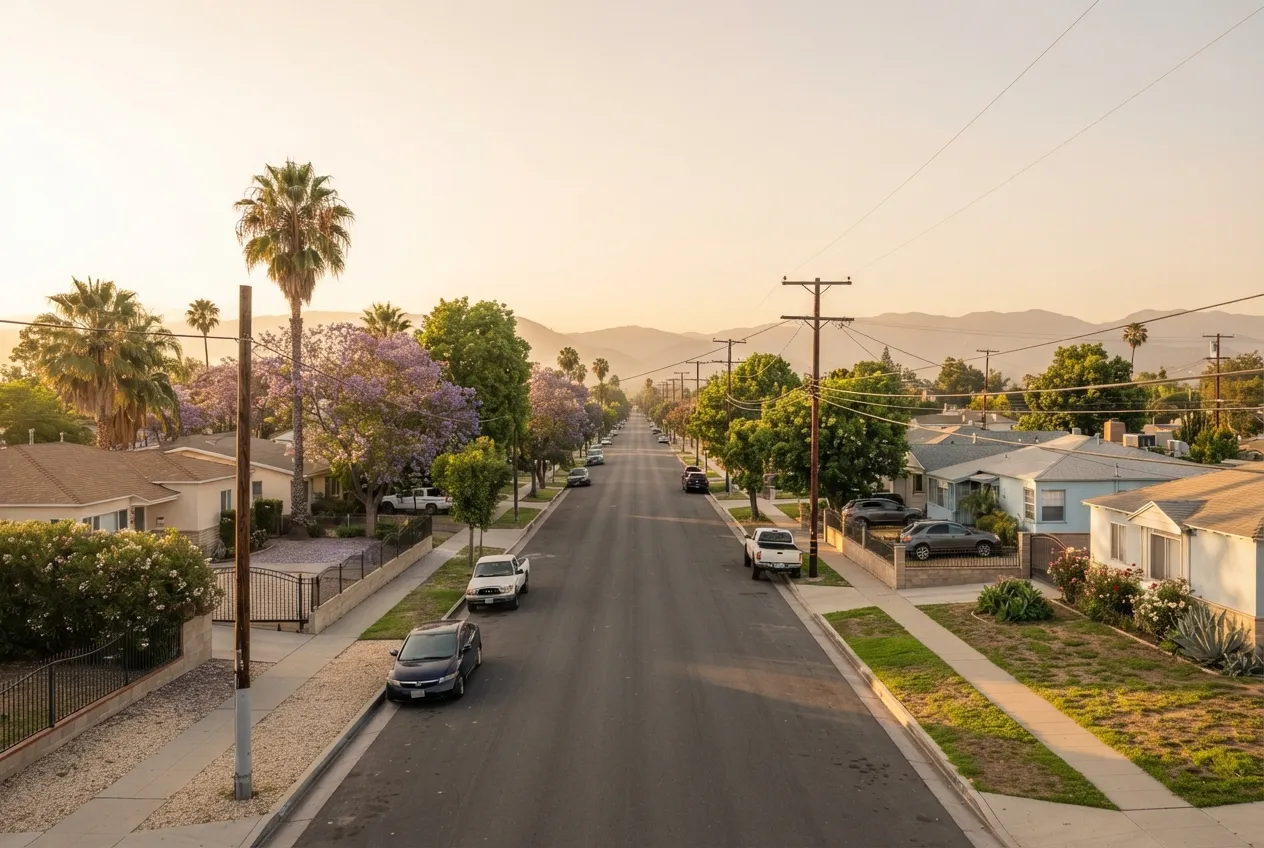
Your heating and cooling system works hardest when you can least afford a breakdown. In Reseda and the surrounding Valley neighborhoods, summer heat runs well above what coastal Los Angeles sees, and fall Santa Ana winds can bring hot, dry spells after you thought cooling season was over. Routine maintenance keeps your air conditioner, furnace, or heat pump running the way it should, catches small problems before they turn into failed parts, and gives you a clear picture of your system's condition. This page explains when a tune-up makes sense, what we check, how we talk through repair or replacement, what affects the cost, and what to expect when a technician comes to your home.
Signs Your System Is Due for Maintenance
Many homeowners schedule maintenance on a calendar, once in spring for cooling and once in fall for heating. Others call when something feels off. Either way, these are common signs that your system needs attention now rather than later.
If you can't remember the last time anyone opened up your equipment, that alone is a good reason to book a visit. Dust, pollen, and dry-season debris build up quickly in the Valley, and outdoor condenser coils take the brunt of it.
- Rooms that don't cool or heat as evenly as they used to
- The system runs longer cycles or turns on and off more often than normal
- Weak airflow from vents, even with a clean filter
- New noises such as rattling, buzzing, squealing, or grinding
- A musty or burning smell when the system starts
- Water around the indoor unit or a dripping condensate line
- Ice on refrigerant lines or the outdoor coil
- Electric or gas bills climbing without a change in how you use the system
What We Check During a Maintenance Visit
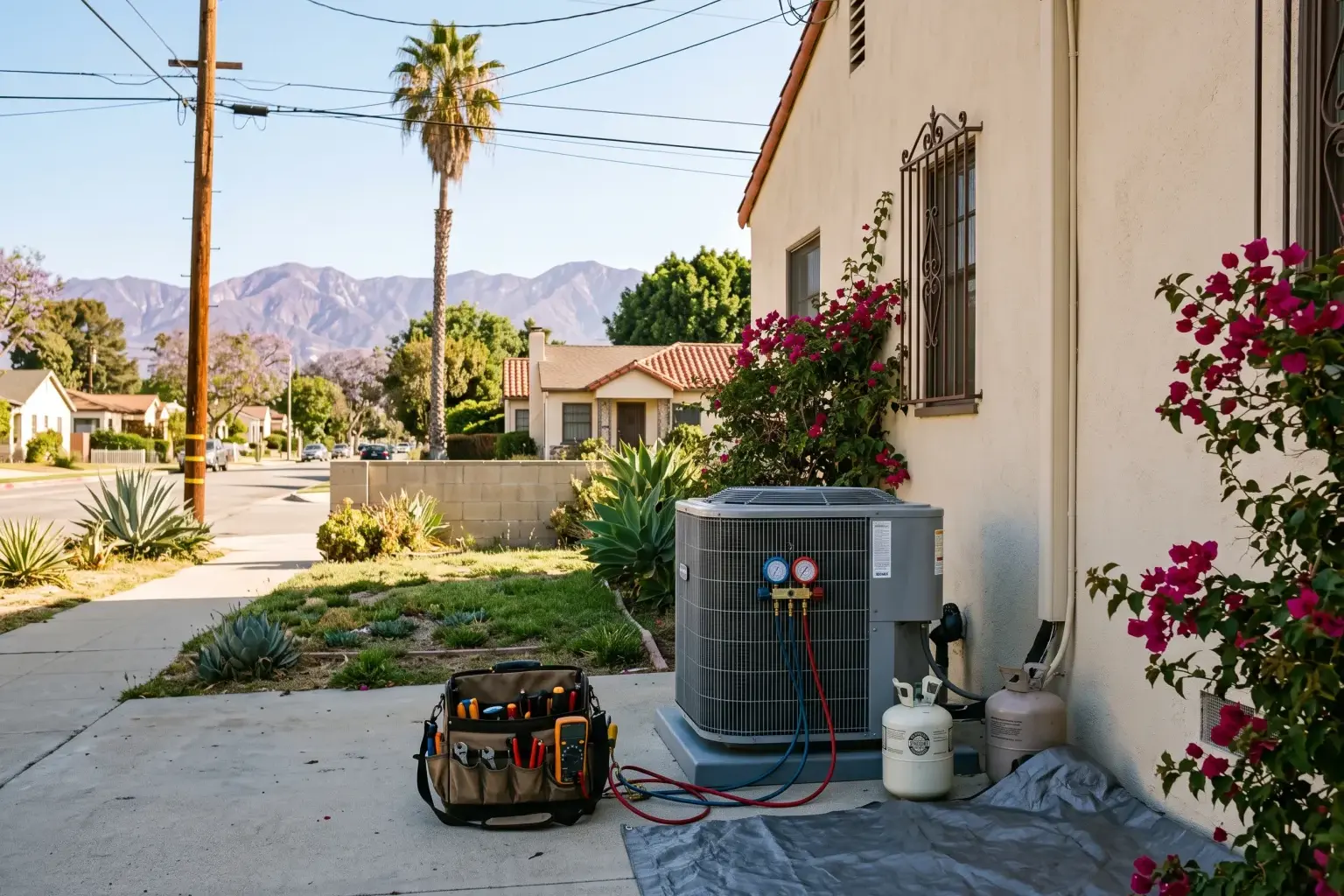
A maintenance visit is more than a quick look and a filter swap. Our technician works through the indoor and outdoor equipment and tests how the system performs while running. The exact list depends on whether you have a central air conditioner with a gas furnace, a heat pump, or a ductless system, but a typical visit covers the following.
When we find something that needs repair, we explain what it is, show you where it is when possible, and let you decide how to proceed before any additional work is done.
- Air filter condition and size, with replacement if needed
- Thermostat settings, calibration, and wiring
- Outdoor condenser coil cleanliness and clearance around the unit
- Indoor evaporator coil and blower assembly
- Refrigerant pressures and temperature split across the coil
- Capacitors, contactors, and electrical connections
- Fan motors and belts for wear and noise
- Condensate drain line and pan for clogs and leaks
- Furnace burners, flame sensor, ignition, and venting
- Heat exchanger visual check for cracks or corrosion
- Heat pump reversing valve and defrost operation
- Visible ductwork connections and return air paths
Repair or Replace: Talking Through Your Options
Maintenance often surfaces a bigger question: is this system worth repairing, or is it time to plan for a new one? We give you the information to make that call yourself. Factors we discuss include the age of the equipment, how often it has needed repairs, whether replacement parts are still easy to get, how well the system keeps up during Valley heat waves, and whether it uses an older refrigerant that is becoming harder to service.
If you are thinking about replacing a gas furnace, keep in mind that South Coast AQMD Rule 1111 limits NOx emissions from natural-gas central furnaces sold and installed in the Los Angeles region, and the district has been amending the rule toward zero-emission requirements. Because the district sets and revises compliance dates, it's worth checking the current rule before you choose new equipment.
Many homeowners look at heat pumps as a replacement for both an old air conditioner and a gas furnace. LADWP residential electric customers can apply for rebates on qualifying heat pump systems, with the amount based on the unit's efficiency ratings, and the application is filed after purchase and installation, within 12 months of purchase. Some nearby homes are served by Southern California Edison instead, so available rebates depend on the utility at your address, and we confirm the current offer before quoting it. Note that the federal Energy Efficient Home Improvement Credit no longer applies to heat pumps installed after the end of 2025.
What Affects the Cost of HVAC Maintenance
Every home is different, so the cost of a maintenance visit varies. We explain what's included before we start, and we don't add work without your approval. The main factors are listed below.
- The number of systems or zones in your home
- Equipment type: split system, packaged unit, heat pump, furnace, or ductless
- Access to equipment, such as attic, roof, or tight closet installations
- How long since the last service and how much cleaning is needed
- Whether filters, capacitors, or other small parts need replacing
- Repairs found during the visit that you choose to have done
How a Maintenance Visit Works
When you contact us, we ask about your equipment, any symptoms you've noticed, and a time that works for you. On the day of the visit, the technician starts by asking what you've noticed, then inspects the indoor and outdoor units, runs the system through a full cycle, and takes readings.
Before leaving, the technician walks you through what was checked, what looks good, and anything that needs attention now or soon. If a repair is recommended, you'll get an explanation and options so you can decide on the spot or take time to think it over. We also suggest when to schedule your next visit based on your system and how hard it works in your part of the Valley.